

Shore ExcursionsOutdoor ActivitiesCultural & Theme ToursWalking Tours
Discover Monuments and Markets in Palermo
Sicily, Italy
3 DAYS
0.0
(0 reviews)Duration
3 DAYS
Group Type
PRIVATE
Language
en
Confirmation
On Request
Overview
Explore the historic center, learn about the city’s history and legends. See the most important sites of UNESCO's list of World Heritage Sites and the old markets.
Highlights
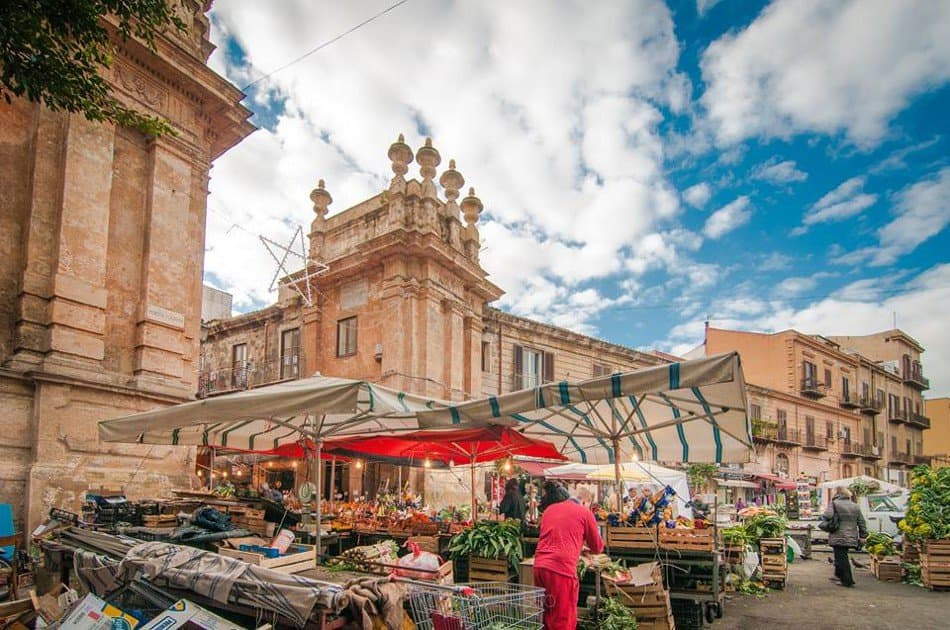
- Visit food markets and have the option to purchase classic snacks
- Hear about the sites listed by UNESCO in Arab-Norman Palermo
- Be amazed by the colorful and intricate decor inside the Chiesa del Gesù
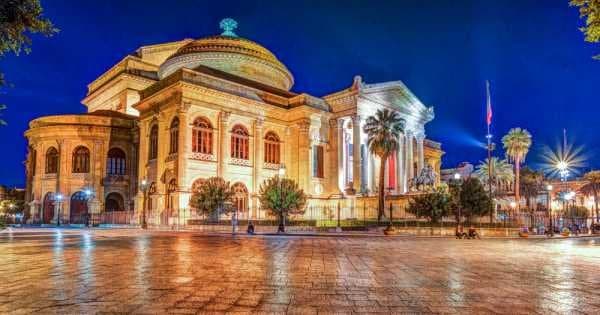
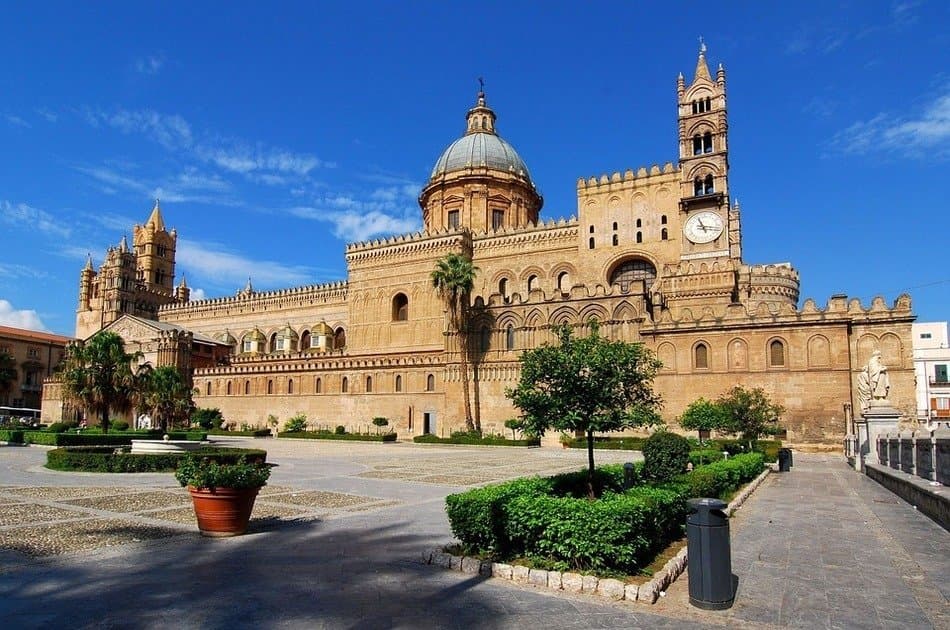
- Admire the architecture of Teatro Massimo and the Palermo Cathedral
- 3-hour walking tour in Palermo’s historic center, from Verdi Square
What's Included
Inclusions
- Pick-up for the cruise passengers
- Local and professional guide
- Entrance / admission in the Cathedral
Exclusions
- Food, drinks and souvenirs
- Entrance tickets
Itinerary
1030
Piazza Olivella - Meeting point of the tour
Interesting square with the Salinas Archeological Museum and a lot of restaurants, meeting point for the night life 0f the citizen of Palermo.
1045
Piazza Verdi and Massimo Theater
The Massimo Vittorio Emanuele Theatre is the third largest opera house in Europe. It was built in 1875 and has more than 1,300 seats. We talk about its history and legeds.
1100
Capo Market
One of the best ways to get to know a city is through its food and markets. Mercato di Capo is one of the best markets in Palermo. The stalls in this market sell a wide variety of food including local specialties, fruits and vegetables, meat and fish. When you walk through the market, you will hear vendors yelling or chanting in their Palermo dialect
1130
Palermo Cathedral
The Cathedral, the beautiful Arab-Norman Palermo Cathedral, which became part of UNESCO's list of World Heritage Sites in the 2015. You will see it also inside. Erected in 1185 by Walter Ophamilio, the Anglo-Norman archbishop of Palermo. As an architectural complex, it is characterized by the presence of different styles, due to a long history of additions, alterations and restorations, the last of which occurred in the 18th century.
Reviews
No reviews yet
Be the first to share your experience.
From
EURO 30
per person
Adults
Age 13+
2
Children
Age 3-12
0
Infants
Age 0-2
0
You Might Also Like
Related Tours
2 DAYS
PRIVATE
Embark on an Unforgettable 2-Day Journey: Ephesus and Pamukkale Tour from Istanbul
Istanbul, Turkey
(927 reviews)
From
$1,850
15 HOURS
PRIVATE
Unforgettable Private Ephesus Day Trip from Istanbul: Explore Ancient Wonders
Istanbul, Turkey
(551 reviews)
From
$290
2 DAYS
PRIVATE
All-Inclusive Tailor-Made Istanbul to Ephesus Tour: 2 Days, 1 Night
Istanbul, Turkey
(460 reviews)
From
$880
13 HOURS
PRIVATE
Private Ephesus Day Tour from Istanbul
Istanbul, Turkey
(920 reviews)
From
$468